
How Pune's Hard Water Affects Your Hair & Skin: What Every Resident Should Know
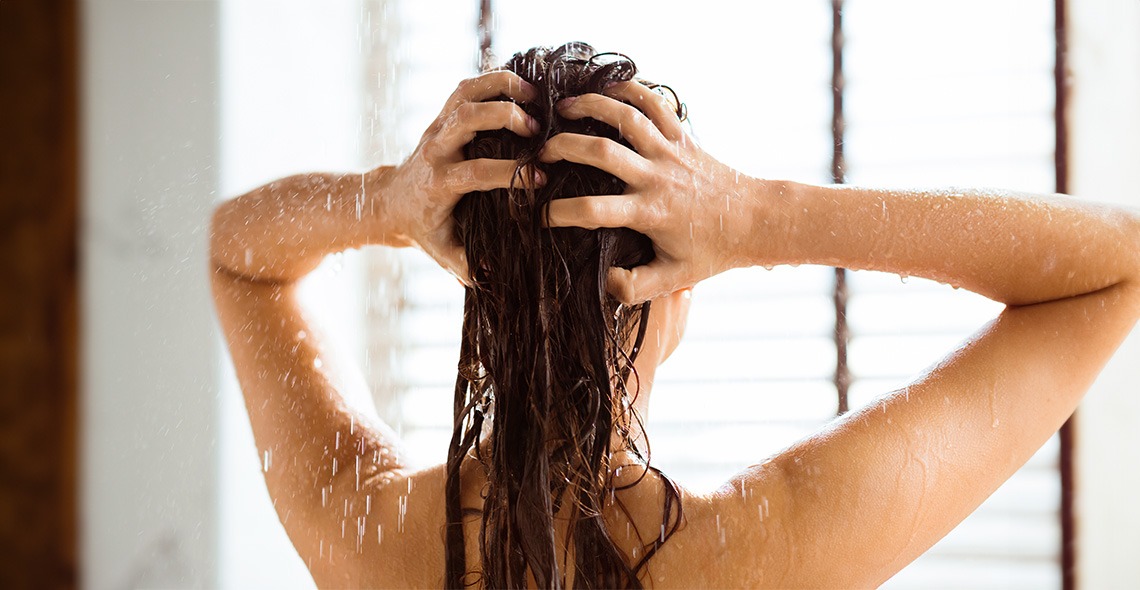
Have you recently noticed that your hair feels rough, your skin becomes dry soon after a shower, or you're seeing more hair strands on your comb than usual? If you've been wondering whether Pune's hard water is the reason, you're certainly not alone. This is one of the most common concerns patients bring up during their consultations at The Pune Skin Clinic.
It's completely understandable to feel confused. After trying different shampoos, conditioners, face washes, and home remedies, it can be frustrating when nothing seems to work. While hard water may not be the only reason behind your hair or skin concerns, it can make existing problems more noticeable and difficult to manage.
Let's understand how hard water affects your hair and skin, and more importantly, what you can do about it.
What Is Hard Water?
Hard water is water that contains a higher concentration of minerals such as calcium and magnesium. These minerals are naturally present in the water supply in many parts of Pune.
Although hard water is safe to drink, it can leave mineral deposits on your hair and skin after every wash. Over time, this build-up may make your hair feel rough and your skin feel dry, even if you're using good-quality skincare or hair care products.
How Does Hard Water Affect Your Hair?
If your hair feels dry, tangled, or lifeless after washing, hard water could be contributing to the problem.
Mineral Build-Up Makes Hair Feel Rough
Every time you wash your hair, minerals present in hard water can settle on the hair shaft. This makes it difficult for shampoos and conditioners to work effectively.
As a result, your hair may:
Feel rough or dry
Lose its natural shine
Become difficult to manage
Break more easily while combing
Many patients think their shampoo has stopped working, when in reality, mineral deposits are preventing the products from performing as expected.
Does Hard Water Cause Hair Fall?
This is probably the most frequently asked question we receive.
The answer is reassuring hard water alone is not considered a direct cause of hair loss. However, it can make your hair weaker and more prone to breakage. If you're already dealing with conditions like hormonal hair loss, nutritional deficiencies, thyroid disorders, or stress-related hair fall, hard water can make the problem appear worse.
That's why it's important not to assume hard water is the only reason for excessive hair fall. A proper evaluation can help identify the actual cause.
How Does Hard Water Affect Your Skin?
Your skin has a natural protective barrier that helps retain moisture and keeps irritants away. Hard water can interfere with this barrier by leaving behind mineral residues that make cleansing less effective.
Dry and Tight Skin After Every Shower
If your skin feels stretched, itchy, or dry immediately after bathing, hard water may be one of the reasons. Many people continue applying heavier moisturisers without realising that the quality of water itself could be contributing to the dryness.
People with eczema, sensitive skin, or naturally dry skin may notice these symptoms more often.
Can Hard Water Cause Acne?
Hard water doesn't directly cause acne, but it can make cleansing less effective. When soap or cleanser doesn't rinse away completely, residue may remain on the skin along with oil and impurities. For people who are already acne-prone, this may contribute to clogged pores and occasional breakouts.
Maintaining a gentle skincare routine and using products suited to your skin type can help minimise these effects.
Simple Ways to Protect Your Hair and Skin
The good news is that you don't need to replace all your skincare or hair care products. A few simple changes can make a noticeable difference.
Use a mild shampoo and avoid washing your hair with very hot water. Apply conditioner regularly to restore moisture and reduce dryness. If your skin feels dry after bathing, apply a moisturiser within a few minutes to lock in hydration.
If hard water is a persistent issue in your area, installing a shower filter or water softener may help reduce mineral deposits.
Most importantly, avoid changing products every week. Healthy hair and skin require consistency, and repeatedly switching products often causes more harm than good.
When Should You See a Dermatologist?
While hard water can affect the texture of your hair and skin, persistent hair fall or severe dryness should never be ignored.
It is advisable to consult a dermatologist if:
Hair fall continues for several weeks.
You notice visible thinning or bald patches.
Your scalp is constantly itchy or flaky.
Dry skin doesn't improve despite regular moisturising.
You're experiencing repeated acne breakouts or skin irritation.
A dermatologist can determine whether hard water is contributing to your symptoms or whether another underlying condition needs attention.
You Don't Have to Deal With It Alone
If you've been trying different shampoos, expensive serums, or home remedies without seeing the results you hoped for, it's okay to feel frustrated. Many people assume they simply have to live with dry skin or ongoing hair fall, but that's not always the case.
At The Pune Skin Clinic, we understand that every person's hair and skin are different. Instead of offering one-size-fits-all solutions, our dermatologists take the time to understand your concerns, identify the underlying cause, and recommend a personalised treatment plan that's right for you.
Whether your concerns are related to hard water, seasonal changes, or an underlying skin or hair condition, you don't have to keep guessing. Book a consultation with our experienced dermatologists today and let us help you achieve healthier skin and stronger, healthier hair with expert care you can trust.