
Vitamin Deficiency That Causes Hair Loss: Signs You Shouldn't Ignore
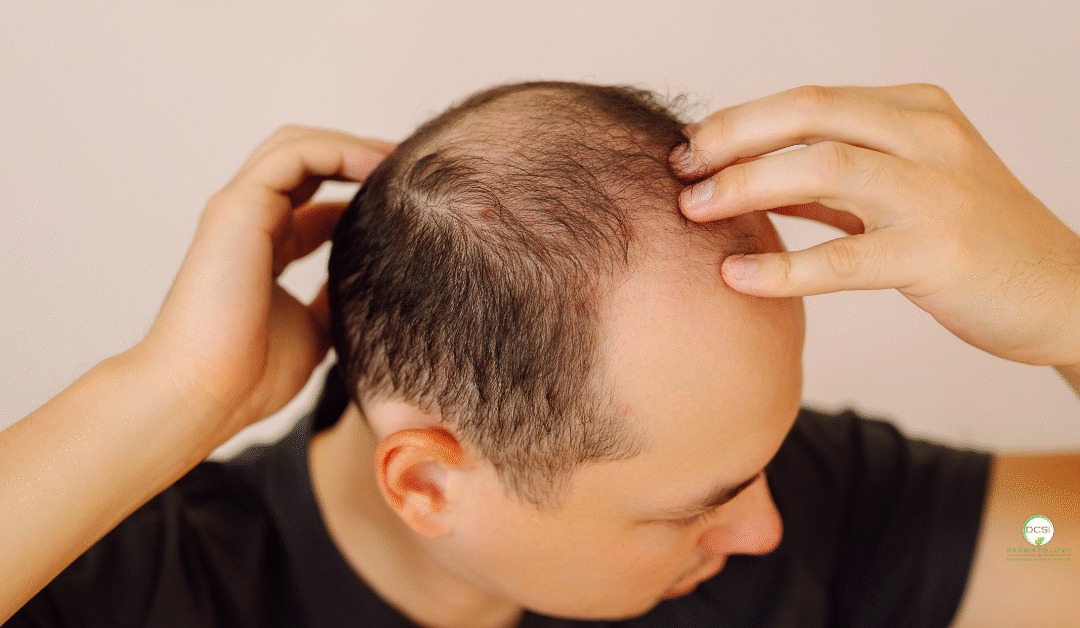
Hair fall can be worrying, especially when it seems to happen without any obvious reason. You may notice more hair on your pillow, in the shower, or while brushing your hair every morning. Like many people, you might start changing shampoos, applying homemade remedies, or trying hair growth oils, hoping something will work. But what if the problem isn't on your scalp at all?
At The Pune Skin Clinic, we often meet patients who are surprised to learn that their hair fall is linked to a nutritional deficiency rather than the products they're using. Healthy hair doesn't just depend on external care—it also reflects your overall health. When your body lacks essential vitamins and minerals, your hair is often one of the first places where the effects become visible.
Understanding the role of nutrition can help you identify the real cause of your hair fall and choose the right treatment instead of relying on guesswork.
Can Vitamin Deficiency Really Cause Hair Loss?
Yes, vitamin deficiencies can contribute to hair loss. Hair follicles are among the fastest-growing cells in the body and require a constant supply of nutrients to support healthy hair growth. When your body doesn't receive enough essential vitamins or minerals, it prioritises vital organs such as the heart and brain over hair growth. As a result, the hair growth cycle gets disrupted, leading to increased shedding, thinning, or slower hair growth.
However, it's important to remember that vitamin deficiency is only one possible cause of hair loss. Hormonal changes, genetics, thyroid disorders, stress, certain medications, and scalp conditions can also play a significant role. This is why a proper diagnosis is essential before starting any supplements.
Which Vitamin Deficiencies Can Lead to Hair Loss?
Vitamin D Deficiency
Vitamin D supports the normal functioning of hair follicles and plays an important role in the hair growth cycle. Low vitamin D levels have been associated with certain types of hair loss, particularly in people who already have underlying hair disorders.
Apart from increased hair shedding, people with vitamin D deficiency may also experience fatigue, muscle weakness, or bone discomfort. Since vitamin D deficiency is quite common in India, your dermatologist may recommend a blood test if your symptoms suggest a deficiency.
Iron Deficiency
Iron deficiency is one of the most common nutritional causes of hair loss, especially among women. Iron helps red blood cells carry oxygen throughout the body, including to the hair follicles. Without enough oxygen, hair follicles may not function efficiently, resulting in increased hair shedding over time.
Many people with iron deficiency also complain of constant tiredness, pale skin, weakness, or brittle nails. If these symptoms occur along with hair fall, it's important to consult a dermatologist rather than starting iron supplements without medical advice.
Vitamin B12 Deficiency
Vitamin B12 helps produce healthy red blood cells, which are responsible for transporting oxygen and nutrients to different parts of the body. When vitamin B12 levels are low, hair follicles may not receive adequate nourishment, leading to gradual thinning and excessive hair shedding.
A deficiency may also cause fatigue, tingling sensations in the hands or feet, poor concentration, and weakness. Since these symptoms can overlap with other health conditions, proper medical evaluation is always recommended.
Biotin Deficiency
Biotin has become one of the most popular ingredients in hair supplements, but true biotin deficiency is actually uncommon. While biotin is essential for healthy hair, simply taking high-dose biotin supplements doesn't guarantee faster hair growth if your body isn't deficient.
Instead of self-prescribing supplements, it's always better to understand whether biotin deficiency is actually contributing to your hair fall.
How Can You Tell If Hair Loss Is Related to a Vitamin Deficiency?
Hair fall caused by nutritional deficiencies usually develops gradually rather than overnight. You may notice your hair becoming thinner, your ponytail feeling smaller, or more hair shedding while washing or combing. Hair may also appear weaker and break more easily than before.
These signs don't always confirm a vitamin deficiency, but they do indicate that your body may need further evaluation. A dermatologist may recommend blood tests to identify any nutritional deficiencies or other underlying causes contributing to your hair loss.
Should You Start Taking Hair Supplements?
Many people begin taking over-the-counter hair vitamins as soon as they notice hair fall. While supplements can be beneficial when a genuine deficiency exists, they are not a solution for every type of hair loss. In fact, taking unnecessary supplements may not improve your hair and, in some cases, excessive intake of certain nutrients can even be harmful.
The best approach is to first identify the root cause of your hair fall. Once the cause is known, treatment becomes more targeted and effective.
Supporting Healthy Hair Through Everyday Habits
Healthy hair starts with a healthy body. Eating a balanced diet rich in protein, leafy green vegetables, fruits, nuts, seeds, and whole grains provides the nutrients your hair follicles need to function properly. Staying hydrated, getting enough sleep, and managing stress also contribute to healthier hair growth.
It's equally important to avoid excessive heat styling, harsh chemical treatments, and frequently switching between hair care products. Consistency in your routine often produces better long-term results than trying multiple products in a short period.
When Should You See a Dermatologist?
While some daily hair shedding is completely normal, persistent hair fall should never be ignored. If your hair loss continues for several weeks, your hair appears noticeably thinner, or you're experiencing scalp itching, redness, or dandruff along with hair fall, it's time to seek professional advice.
A dermatologist can evaluate your symptoms, examine your scalp, and determine whether your hair loss is related to nutritional deficiencies, hormonal imbalances, thyroid disorders, genetics, or another underlying condition. Early diagnosis often leads to better treatment outcomes.
Healthy Hair Begins with Understanding the Cause
Watching your hair become thinner can be upsetting, especially when you've already tried different shampoos, oils, or home remedies without seeing lasting improvement. It's natural to feel worried, but hair fall doesn't always mean permanent hair loss. In many cases, identifying the underlying cause early can make a significant difference.
At The Pune Skin Clinic, we believe that every patient deserves personalised care, not one-size-fits-all solutions. Our experienced dermatologists carefully assess your symptoms, medical history, lifestyle, and scalp health to understand what's causing your hair fall before recommending treatment.
If you're experiencing persistent hair fall or thinning hair, don't ignore the early signs. Book a consultation with our dermatologists today and let us help you find the right solution for healthier, stronger hair with expert care you can trust.