Why Do Pimples Keep Coming Back? Common Causes & Effective Solutions
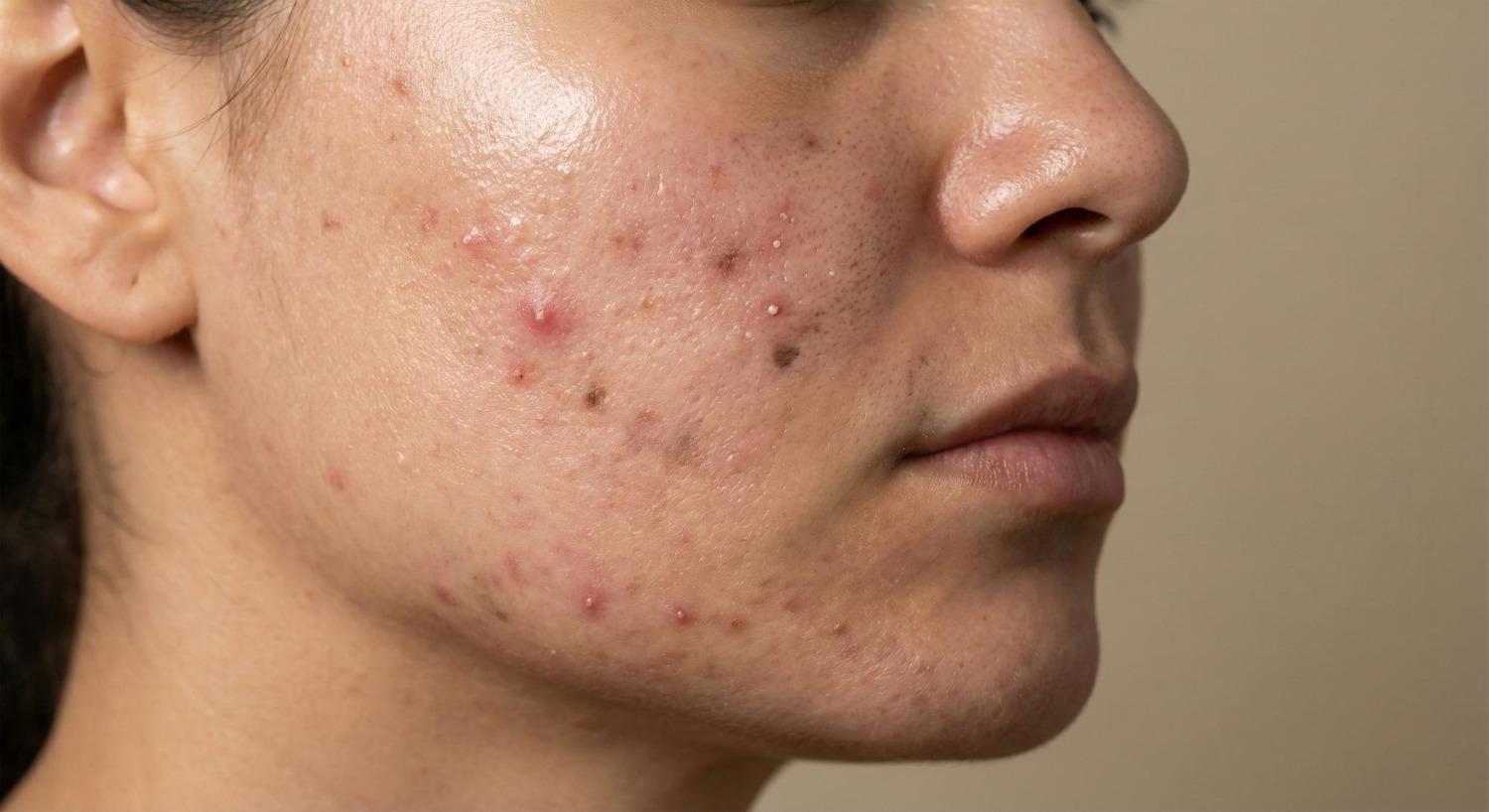
Recurring pimples can be frustrating, especially when your skin seems clear for a few days or weeks and then breaks out again. Many people assume that acne comes back because they are not cleansing their skin properly, but acne is much more complicated than that. It develops due to a combination of excess oil, clogged pores, inflammation, bacteria, hormones, genetics and environmental factors.
At The Pune Skin Clinic, one of the common concerns we see is persistent or recurring acne. Understanding what is triggering your breakouts is important because treating only the visible pimples may provide temporary improvement without preventing new ones.
What Causes Pimples to Keep Coming Back?
Acne begins inside the hair follicles, which contain oil-producing sebaceous glands. When these glands produce excess sebum, it can combine with dead skin cells and block the follicle. This blockage can develop into blackheads, whiteheads and inflammatory pimples.
Excess Oil and Clogged Pores
People with oily skin are more prone to recurring acne because excess sebum can make it easier for pores to become blocked. However, simply having oily skin does not mean that acne will always occur. Hormones, genetics and skincare habits also influence how frequently breakouts develop.
Using very heavy creams, oily cosmetics or products that are not suitable for acne-prone skin can further contribute to clogged pores.
Hormonal Changes
Hormones are an important cause of recurring acne, particularly in teenagers and adults.
Androgens can stimulate the sebaceous glands and increase oil production. Women may notice breakouts around the chin, jawline and lower face before their menstrual periods. Persistent adult acne can sometimes be associated with hormonal conditions such as PCOS, particularly when accompanied by irregular periods or other symptoms.
If acne repeatedly appears around the same time each month, hormonal factors may need to be considered.
Stress and Poor Sleep
Stress does not necessarily cause acne by itself, but it can make existing acne worse. During periods of prolonged stress, changes in hormone levels and inflammatory responses can influence the skin.
People working long hours, sleeping irregularly or experiencing significant work-related stress may notice more frequent breakouts. This can be particularly relevant for busy professionals in Pune's IT and corporate sectors.
Can Your Skincare Routine Cause Recurring Acne?
Yes. Your skincare routine can either support acne control or contribute to repeated breakouts.
Overwashing and Harsh Scrubbing
Washing your face repeatedly or using harsh scrubs does not remove acne from its root. Excessive cleansing can irritate the skin and weaken the skin barrier, potentially making redness and inflammation worse.
A gentle cleanser suited to your skin type is generally preferable to aggressive scrubbing.
Using Too Many Products
Trying multiple products at the same time makes it difficult to understand what is actually helping your skin. Some active ingredients can also cause irritation when combined incorrectly.
If you have acne-prone skin, look for products labelled non-comedogenic and avoid introducing several new products at once.
Picking or Squeezing Pimples
Squeezing a pimple may temporarily make it look smaller, but it can push inflammation deeper into the skin. This increases the risk of prolonged inflammation, pigmentation and acne scars.
For this reason, painful or persistent pimples are better assessed and treated appropriately rather than repeatedly picked at home.
Does Diet Cause Pimples?
Diet is often discussed when it comes to acne, but there is no single food that causes pimples in everyone.
Some research suggests that diets high in refined carbohydrates and foods that rapidly increase blood sugar may contribute to acne in susceptible individuals. Some people may also notice changes in their acne in relation to dairy consumption.
This does not mean that everyone with acne needs to completely eliminate dairy, carbohydrates or other food groups. A balanced diet containing vegetables, fruits, whole grains, adequate protein and sufficient fluids is a better approach. If you notice a consistent relationship between a particular food and your breakouts, discuss it with a dermatologist rather than following restrictive diets without guidance.
Does Pune's Weather Affect Acne?
Climate can influence how your skin behaves. Pune experiences periods of heat, humidity and monsoon weather, which may increase sweating and oiliness for some people.
Sweat, oil, pollution and frequent touching of the face can contribute to clogged pores. However, climate is only one possible factor and should not automatically be considered the cause of recurring acne.
A simple skincare routine suited to your skin type, along with appropriate cleansing and sunscreen, can help maintain the skin barrier.
When Should You See a Dermatologist?
Occasional pimples are common, but recurring acne deserves attention when it becomes persistent, painful or leaves marks.
You should consider consulting a dermatologist if:
Your acne continues despite consistent skincare.
Pimples are painful, deep or frequently inflamed.
Breakouts are leaving dark marks or scars.
Acne suddenly becomes severe during adulthood.
Acne is affecting your confidence or quality of life.
You suspect hormonal factors such as PCOS may be involved.
Early treatment can help control active acne and reduce the risk of permanent scarring.
How Is Recurring Acne Treated?
There is no single acne treatment that works for everyone. A dermatologist first considers the type and severity of acne, skin type, age, medical history and possible triggers before recommending treatment.
Depending on the individual, treatment may involve topical medications, oral medicines, chemical peels or other dermatologist-supervised procedures. If acne has already caused scarring, treatments can be considered after the active acne is brought under control.
The important point is consistency. Acne treatment often takes several weeks to show meaningful improvement, and stopping treatment as soon as the skin looks better may allow new breakouts to return.
Frequently Asked Questions
Why do pimples keep coming back in the same place?
Repeated breakouts in the same area can occur when pores repeatedly become clogged or when hormonal and inflammatory factors continue to affect the skin.
Can stress make acne worse?
Yes. Stress can influence inflammation and oil production and may worsen existing acne in some people.
Should people with oily skin use moisturizer?
Yes. Oily skin still needs hydration. A lightweight, non-comedogenic moisturizer can help support the skin barrier without unnecessarily clogging pores.
Can acne be permanently cured?
Acne can usually be controlled effectively with appropriate treatment and maintenance. Some people may experience recurring acne because of hormonal or other underlying factors and may require longer-term management.
You don't have to deal with acne alone
If you're feeling frustrated because your pimples keep coming back despite trying different face washes, skincare products, or home remedies, you're not alone. Many people experience the same struggle, and recurring acne often requires more than just over-the-counter solutions.
At The Pune Skin Clinic, we understand that persistent acne can affect not just your skin, but also your confidence and quality of life. Our experienced dermatologists take the time to identify the underlying cause of your acne and create a personalised treatment plan that's right for you.
You don't have to continue guessing what works. Book a consultation with our dermatologists today and take the first step towards healthier, clearer skin with expert care you can trust.