
Why Does My Scalp Hurt When I Move or Touch My Hair?
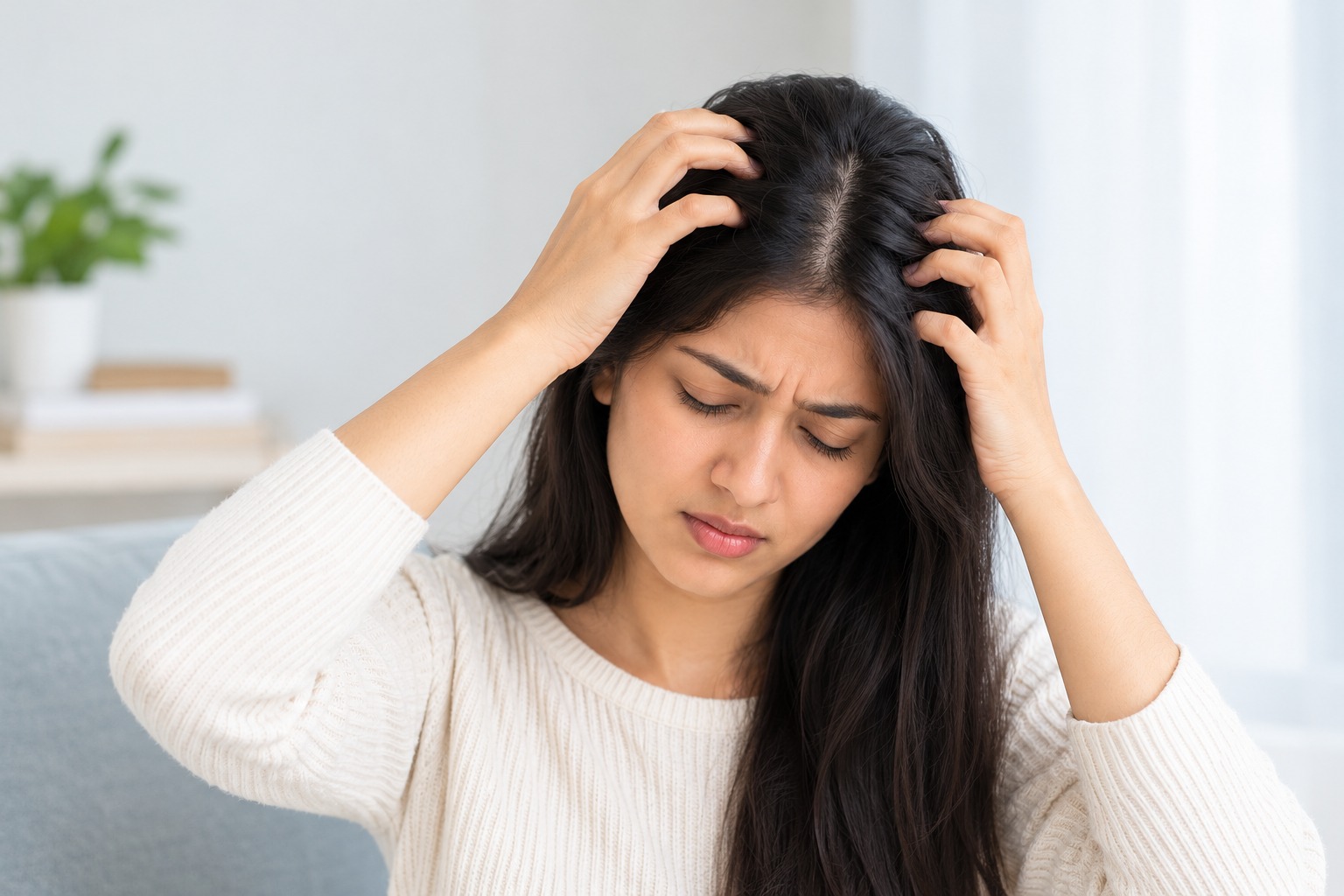
Does your scalp hurt when you comb your hair, change your hairstyle, or gently touch your head? The discomfort may feel like soreness, burning, tingling, or a pulling sensation around the hair roots. Although hair strands cannot feel pain, the skin surrounding hair follicles contains sensitive nerve endings.
Scalp tenderness may develop because of hairstyle tension, skin disorders, product reactions, or nerve-related conditions. Identifying the cause is important for choosing appropriate care. If the discomfort persists, consulting a dermatologist in Wakad can help determine what is affecting your scalp.
Why Does Moving Your Hair Cause Pain?
Hair follicles are surrounded by nerves and supporting skin tissues. When these structures become irritated, movement or pressure can trigger discomfort.
The sensation may affect a small area or spread across the scalp. Some people notice pain only while brushing, whereas others experience tenderness even without touching their hair.
The location and nature of the symptoms can provide useful clues during a dermatological examination.
What Are the Common Causes of Scalp Tenderness?
1. Tight Hairstyles
Tight ponytails, buns, braids, and extensions place continuous tension on the scalp. This may cause soreness around the hairline or areas where the hair is pulled firmly.
Repeated tension can contribute to traction alopecia, a condition involving hair loss caused by prolonged pulling.
2. Scalp Folliculitis
Folliculitis develops when hair follicles become inflamed, sometimes due to infection.
It may appear as small red bumps or pus-filled spots around individual follicles. Friction, sweating, and certain hair care practices can contribute to irritation.
3. Seborrheic Dermatitis
Seborrheic dermatitis is a common inflammatory skin condition associated with dandruff.
It can produce greasy flakes, redness, and itching. Symptoms may become more noticeable during periods of increased oiliness or irritation.
4. Scalp Psoriasis
Scalp psoriasis causes thickened, scaly patches that may extend beyond the hairline.
The affected skin can feel tight or uncomfortable, particularly when plaques crack. Unlike ordinary dandruff, psoriasis often produces more clearly defined patches.
5. Hair Product Reactions
Hair dyes, fragranced shampoos, and chemical treatments can trigger irritant or allergic contact dermatitis.
Symptoms may develop shortly after using a product or appear later. Redness, itching, swelling, or burning can suggest a reaction.
6. Scalp Dysesthesia
Scalp dysesthesia involves abnormal sensations such as burning, tingling, or pain without an obvious visible skin disorder.
It may be associated with changes in nerve sensitivity. Persistent symptoms sometimes require evaluation beyond routine scalp care.
Can Scalp Pain Occur Alongside Hair Loss?
Yes, although the two symptoms are not always related.
Some people experiencing hair shedding report tenderness around the hair roots. This sensation is sometimes described as trichodynia.
Certain inflammatory conditions may also affect the health of hair follicles. When scalp discomfort occurs alongside patchy hair loss, broken hairs, or progressive thinning, examining the scalp can help identify the underlying problem.
Importantly, tenderness alone does not mean that permanent hair loss will occur.
How Can You Manage Mild Scalp Pain at Home?
If your symptoms are mild and there are no warning signs, a few practical changes may help.
Wear loose hairstyles that do not pull on the roots.
Wash your hair with a gentle shampoo and lukewarm water.
Stop using recently introduced products if they appear to cause irritation.
Avoid scratching, vigorous brushing, and harsh scalp treatments.
Use a cool compress for temporary comfort.
Avoid applying concentrated essential oils or strong homemade mixtures to irritated skin. These may aggravate the problem rather than resolve it.
How Does a Dermatologist Identify the Cause?
A dermatologist begins by reviewing your symptoms, including when the discomfort started, where it occurs, and whether it is associated with itching or visible changes.
The examination may involve checking the scalp for redness, scaling, follicular bumps, or changes in hair density.
Dermoscopy, which provides a magnified view of the scalp and hair follicles, may be useful in selected cases. Additional investigations depend on the suspected condition.
This assessment helps distinguish common skin disorders from other possible causes of scalp pain.
What Treatments Are Available for Scalp Tenderness?
Treatment depends on the diagnosis.
Seborrheic dermatitis may be managed with medicated shampoos, while psoriasis may require prescription anti-inflammatory treatments. Folliculitis treatment varies depending on its cause and severity.
For contact dermatitis, identifying and avoiding the responsible product is an important step. Nerve-related symptoms may require a different approach.
A skin care clinic in Wakad can assess the condition and discuss suitable treatment options based on individual findings.
When Should You Seek Medical Attention?
Arrange a dermatology consultation if scalp pain persists, repeatedly returns, or affects your daily routine.
Seek prompt assessment if you develop spreading redness, painful swelling, pus-filled lesions, or fever.
Sudden severe headache, scalp tenderness with vision changes, or other neurological symptoms require urgent medical attention.
Frequently Asked Questions
Why does my scalp hurt even when my hair is loose?
The discomfort may come from a skin condition or altered nerve sensitivity rather than tension from a hairstyle.
Can stress contribute to scalp pain?
Stress may influence pain perception and muscle tension. However, persistent symptoms should not automatically be attributed to stress.
Is scalp tenderness always a sign of infection?
No. Several noninfectious conditions, including psoriasis, contact dermatitis, and scalp dysesthesia, can cause discomfort.
Can scalp tenderness go away on its own?
Temporary irritation may settle after the trigger is removed. Ongoing symptoms should be assessed to determine whether treatment is needed.
Consult The Pune Skin Clinic for Scalp Concerns
Scalp pain when moving or touching your hair can arise from different causes, and the appropriate care depends on identifying the underlying condition.
The Pune Skin Clinic serves patients in Wakad and Tathawade seeking professional assessment for skin, hair, and scalp concerns.
For persistent scalp tenderness or related symptoms, visit the contact page to learn more about consultations and appointment details.