If you live in Pune, you already know how quickly the weather shifts, from dry summer heat to a sticky, sweaty monsoon. For many of our patients, the skin keeps score, and breakouts tend to flare exactly when the humidity climbs. At The Pune Skin Clinic, we see this pattern every year, so here is our practical, evidence based playbook for keeping acne under control in our local climate.
Why Pune's Heat and Humidity Worsen Acne
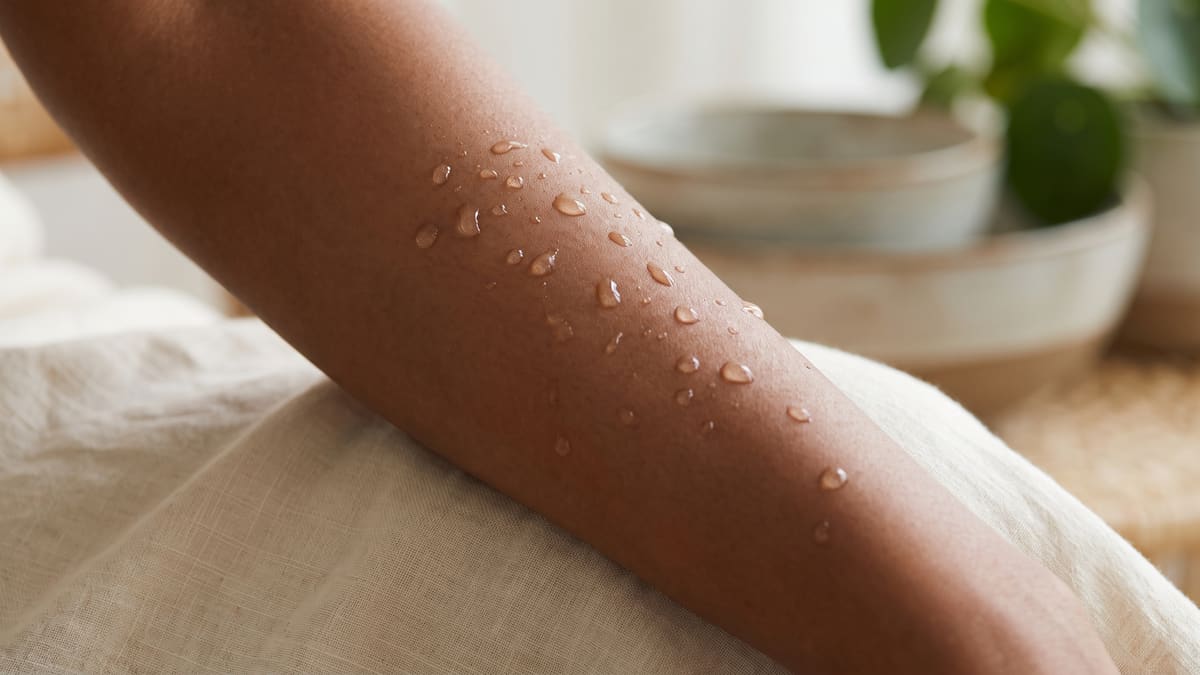
Acne is not caused by dirt, but our weather does make things harder. When it is hot and humid, your oil glands become more active and produce more sebum. That extra oil mixes with sweat, sunscreen, makeup and pollution, and the mixture can clog pores more easily. Humid air also keeps sweat and oil sitting on the skin longer, which can worsen clogging and inflammation and helps the acne bacteria (Cutibacterium acnes) inside your pores flourish, leading to more inflamed pimples.
On Indian brown skin (Fitzpatrick types IV to V), there is an added concern. Even a single inflamed pimple can leave behind a stubborn dark mark called post inflammatory hyperpigmentation. This is why controlling acne early matters so much for our patients: we are not only treating spots, we are protecting you from months of uneven tone afterwards.
Comedonal Versus Inflammatory Acne
Understanding your acne type helps you treat it correctly. Broadly, there are two patterns, and many people have a mix of both.
- Comedonal acne refers to clogged pores without much redness. Blackheads (open comedones) and whiteheads (closed comedones) fall into this group. It often shows up on the forehead, nose and chin.
- Inflammatory acne is red, tender and raised. This includes papules, pus filled pustules, and deeper, painful nodules or cysts. This type carries a higher risk of scarring and pigmentation, so it deserves prompt attention.
An Evidence Based Daily Routine
Good acne care is simple and consistent, not complicated. Here is the framework we recommend as a starting point.
Cleanse gently, twice a day
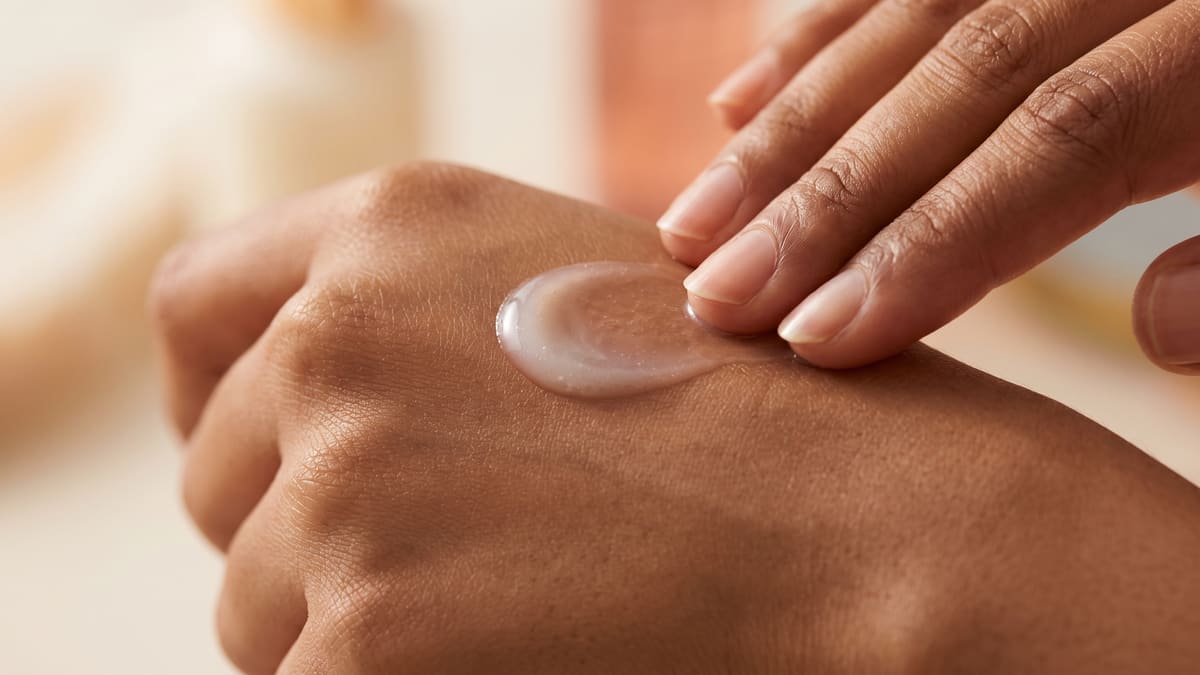
Use a mild, non stripping cleanser in the morning and at night, and after heavy sweating. Harsh, squeaky clean foaming washes damage the skin barrier and often make oiliness worse. Lukewarm water is enough; there is no need for very hot water or vigorous rubbing.
Choose non comedogenic products
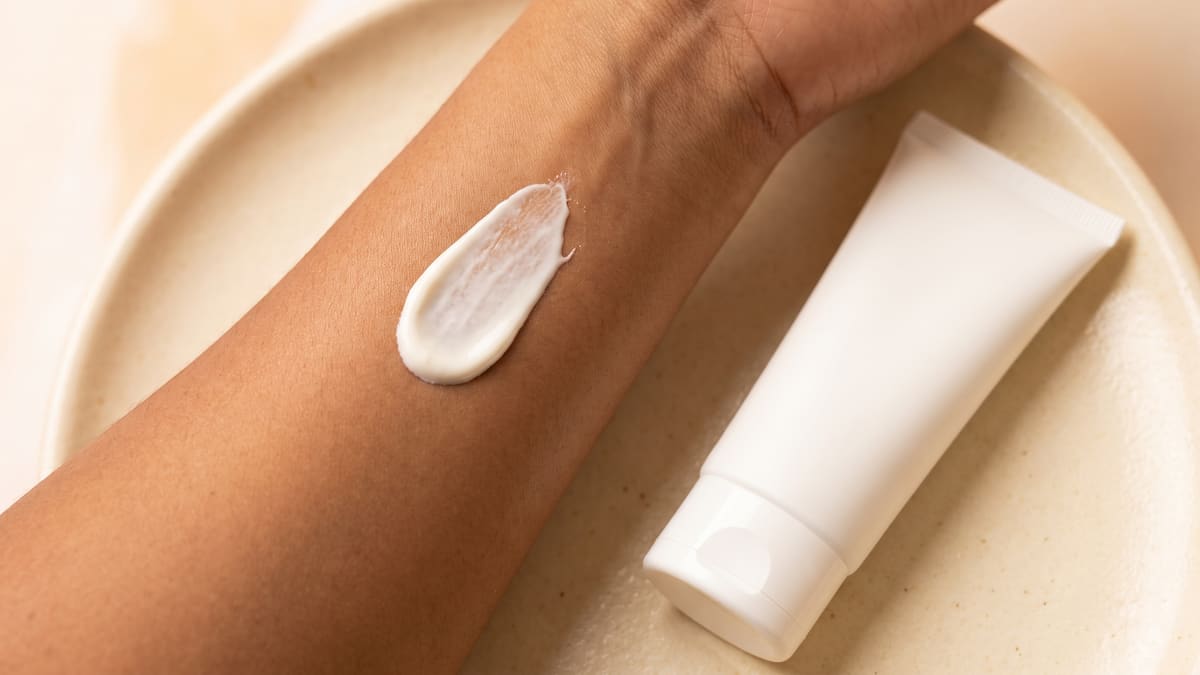
Look for the words non comedogenic and oil free on moisturisers and sunscreens. Yes, oily and acne prone skin still needs a lightweight, gel based moisturiser. In our sunny city, a broad spectrum sunscreen every morning is non negotiable, both to prevent damage and to stop dark marks from deepening.
Use actives wisely
A few well studied ingredients do most of the heavy lifting. Salicylic acid is a gentle exfoliant that helps unclog pores and suits comedonal acne. Benzoyl peroxide targets acne bacteria and reduces inflammation. Retinoids (vitamin A based ingredients) help normalise how skin cells shed and are considered a cornerstone of modern acne care. These are powerful, so introduce them slowly, start a few nights a week, and always pair them with sunscreen. If you are unsure which suits your skin, or you are pregnant or planning pregnancy, please check with us before starting.
What NOT to Do
Some of the most damaging habits are the most common ones. In our experience, avoiding these makes a real difference.
- Do not over scrub. Aggressive scrubs, ubtans and daily face brushing irritate the skin and can spread inflammation rather than calm it.
- Do not pop or squeeze. Picking at pimples pushes bacteria deeper, delays healing, and is one of the biggest causes of permanent scars and dark marks on brown skin.
- Be cautious with random home remedies. Toothpaste, lemon, baking soda and undiluted essential oils are popular online but often burn or irritate the skin. What works for a friend may not suit your skin type.
- Do not switch products every week. Most treatments need six to eight weeks of steady use before you can fairly judge them.
When Acne Needs Professional Treatment
Home care handles mild acne well, but please do not wait if your acne is painful, cystic, widespread, leaving scars, or simply not improving after a couple of months of honest effort. Persistent acne is a medical condition, and there is no reason to struggle alone.
In clinic, we tailor treatment to your skin and severity. Options may include medically supervised chemical peels to help clear clogged pores and fade pigmentation, along with other in clinic procedures suited to Indian skin. For moderate to severe cases, a dermatologist may recommend prescription therapy, which should always be taken under supervision rather than self started from a chemist. Our promise is honest guidance and realistic timelines, never false promises or overnight miracle claims.
Preventing Acne Scars
The best scar treatment is preventing scars in the first place. That means treating active acne early, resisting the urge to pick, and protecting the skin with daily sunscreen so marks fade faster. When scars have already formed, they can often be improved with treatments such as peels, microneedling and other resurfacing procedures, though results depend on the scar type and take time. Early, consistent care always gives the best outcome.
Frequently Asked Questions
Does drinking more water or changing my diet clear acne?
Staying hydrated is good for overall health, but water alone does not cure acne. Evidence suggests that high sugar, high glycaemic foods and, for some people, dairy may worsen breakouts. A balanced diet helps, but it works alongside proper skincare, not instead of it.
Is it safe to use makeup if I have acne?
Yes, as long as you choose non comedogenic, oil free products and remove them thoroughly every night. Sleeping in makeup, especially in humid weather, is a reliable way to trigger fresh breakouts.
How long before I see results?
Most acne treatments need six to eight weeks of consistent use to show clear improvement, and deeper acne can take longer. Patience and consistency matter more than any single miracle product.
Acne is common, treatable, and nothing to feel embarrassed about, especially in Pune's demanding climate. If your breakouts are persistent, painful, or leaving marks, we would be glad to help you build a plan that actually fits your skin and your life. You are welcome to book a consultation with us at The Pune Skin Clinic in Tathawade whenever you feel ready, and we will take it from there together.