If you take away one habit from everything you read about skincare, let it be this one. At The Pune Skin Clinic, we tell every patient the same thing: a good sunscreen, used well, does more for your skin over a lifetime than almost any serum or treatment. Let us walk you through why, and how to choose one that suits Indian skin.
Why sunscreen matters even for brown skin
A common belief we hear in Pune is that brown skin does not need sunscreen because melanin already protects it. There is a grain of truth here. Indian skin (typically Fitzpatrick types IV and V) carries some natural defence, roughly equivalent to a very low SPF, but that is nowhere near enough for our climate.
Ultraviolet radiation affects brown skin in specific ways. UVB drives sunburn and tanning, while UVA penetrates deeper and quietly speeds up ageing and pigmentation. For our patients, the biggest visible concerns are stubborn tanning, uneven tone, dark spots, and melasma, and sun exposure is one of the strongest triggers for all of them. Over the years, unprotected sun also breaks down collagen, leading to early fine lines and dullness. Sunscreen will not erase existing damage, but it is the most reliable way to prevent more of it.
Decoding SPF and PA rating
SPF measures protection against UVB, the rays mainly responsible for burning and tanning. SPF 30 filters out around 97 percent of UVB, and SPF 50 around 98 percent. For daily use in Pune, SPF 30 to 50 is a sensible range. Going higher offers only marginal extra benefit and a false sense of security.
The PA rating, shown as PA+ up to PA++++, indicates UVA protection. Since UVA is the main culprit behind pigmentation and ageing, this matters enormously for Indian skin. We recommend at least PA+++ and a product labelled broad spectrum, which covers both UVA and UVB.
How much to apply and how often to reapply
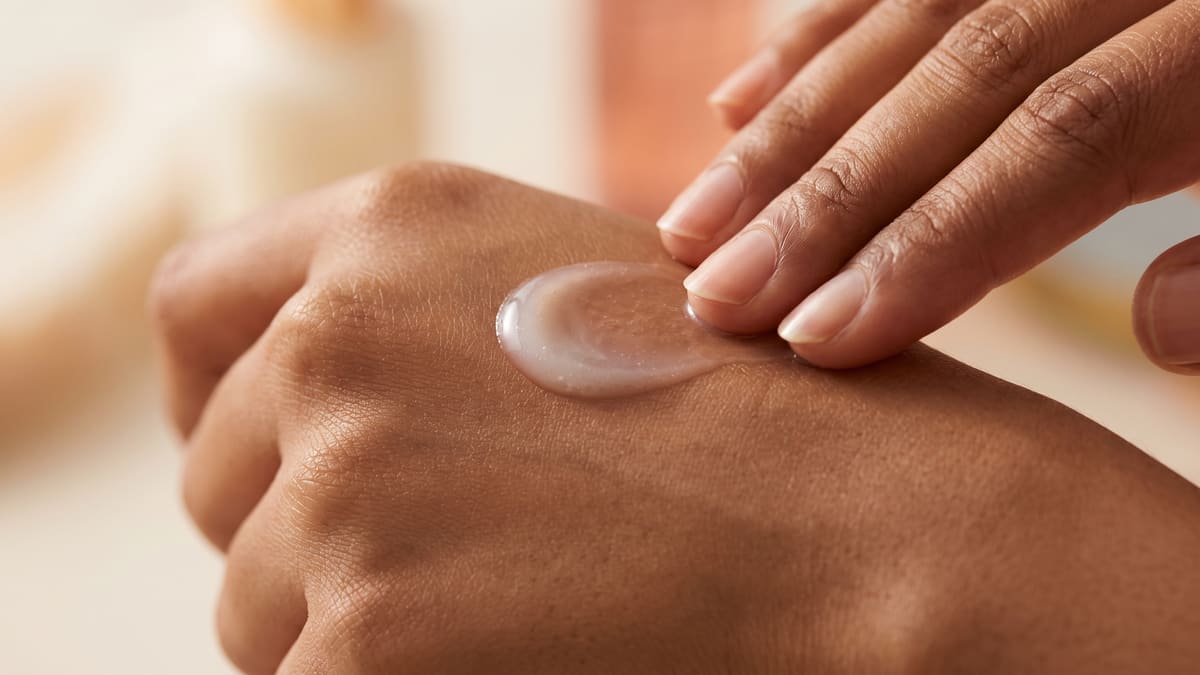
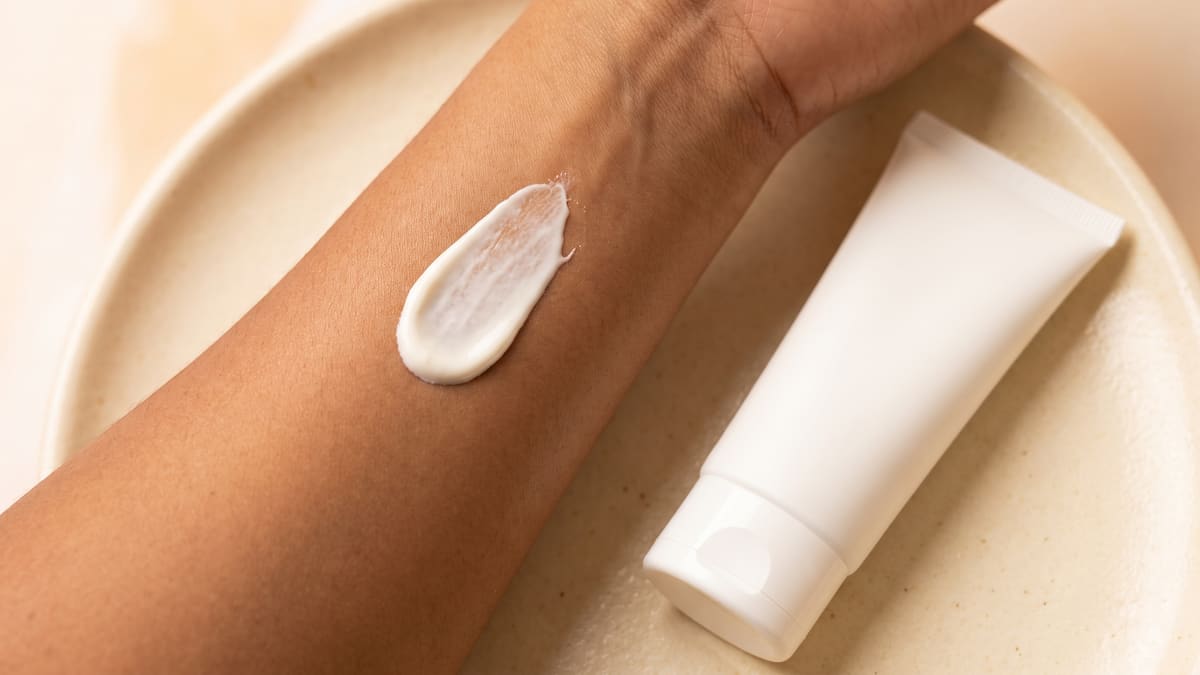
Most people apply far too little, which quietly cuts real protection to a fraction of what the label promises. As a guide, use about two finger lengths for the face and neck together, applied as the last step of your morning routine, roughly 15 minutes before stepping out.
Reapplication is where the habit truly counts. Sunscreen wears off with sweat, humidity, and time. If you are outdoors, commuting, or near windows, reapply every two to three hours. Sunscreen sticks, powders, or sprays make topping up over makeup easier. On an ordinary indoor day, a solid morning application is usually enough.
Mineral versus chemical sunscreens
Mineral (physical) sunscreens use zinc oxide or titanium dioxide to sit on the skin and deflect UV. They are gentle, making them a good fit for sensitive, reactive, or acne-prone skin. The classic drawback is a whitish tint on brown skin, though modern tinted formulas have improved this a lot.
Chemical sunscreens absorb UV and convert it to heat. They tend to be lighter, blend in invisibly, and feel more elegant under makeup, which many of our patients prefer. Neither category is universally better. The best sunscreen is genuinely the one you will apply every single day, so texture and comfort matter as much as the label.
Avoiding the white cast on brown skin
The grey or ashy film is a real reason many people abandon sunscreen. To avoid it, look for tinted sunscreens, which blend with deeper skin tones and often double as a light base. Gel, fluid, and serum textures tend to disappear better than thick creams. As a bonus, tinted formulas add protection against visible light, which is relevant for melasma and pigmentation common in Indian skin.
Sunscreen for oily and acne-prone skin
Pune summers and the humid monsoon can make oily skin feel greasier, and heavy sunscreens often get blamed for breakouts. The answer is not to skip sunscreen but to choose wisely. On the label, look for:
- Gel based or fluid textures that feel light on the skin
- Matte finish to help control shine
- Oil free and non comedogenic, meaning less likely to clog pores
If you are using active acne treatments, sun protection matters even more, since many of those actives make skin more sun sensitive. If breakouts persist despite a suitable sunscreen, that is worth discussing with a dermatologist.
The single highest-value daily step
We often meet patients spending heavily on serums and treatments while skipping the one step that protects that entire investment. Sunscreen prevents tanning, guards against pigmentation and melasma, slows visible ageing, and lowers long term skin cancer risk. No other affordable, everyday product offers that combination. If your routine has room for one habit, make it daily broad spectrum sun protection.
Frequently asked questions
Do I need sunscreen indoors or on cloudy days?
Yes, more often than people expect. UVA passes through window glass and clouds, so much of daily exposure happens near windows or while commuting. If you sit by a window or step out at all, morning sunscreen is worthwhile.
Is a higher SPF always better?
Not really. The jump from SPF 30 to SPF 50 is small, and beyond SPF 50 the added benefit is minimal. Correct quantity and regular reapplication protect you far more than chasing the highest number on the label.
Can sunscreen alone fix my tan or dark spots?
Sunscreen prevents further tanning and pigmentation and helps existing spots fade more effectively alongside proper treatment, but on its own it is a preventive step, not a cure. Persistent pigmentation or melasma usually needs a tailored plan, which is best assessed in person.
If you are unsure which sunscreen suits your skin, or you are dealing with tanning, pigmentation, or melasma that will not settle, we would be glad to help you build a simple, honest routine that fits your day. You are welcome to book a consultation with us at The Pune Skin Clinic in Tathawade, and we will guide you with realistic advice and no false promises.