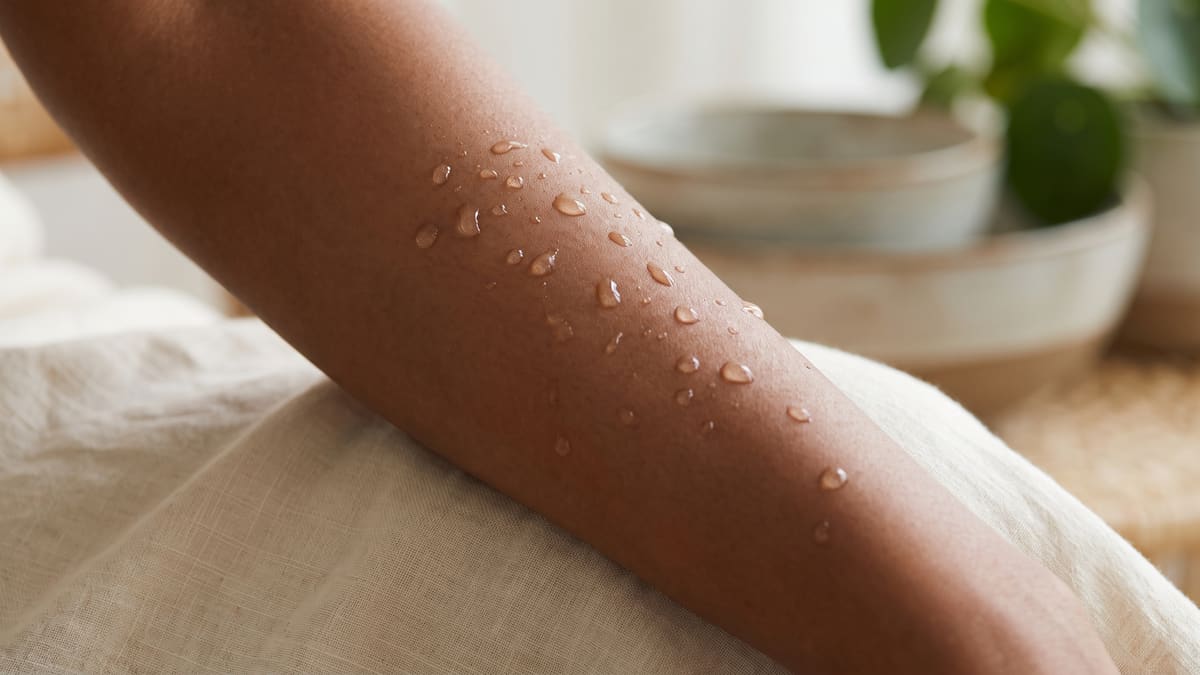
Pune's monsoon brings welcome relief from the summer heat, but the sudden jump in humidity can be surprisingly hard on your skin. Warm, moist air is the perfect environment for fungal infections, breakouts and flare-ups of conditions like eczema. At The Pune Skin Clinic in Tathawade, we see a clear seasonal rise in these concerns every year, so here is what is actually happening to your skin during the rains and how to look after it.
How Pune's monsoon humidity affects your skin
During the monsoon, the air stays heavy with moisture and sweat evaporates far more slowly. This means your skin stays damp for longer, especially in areas that trap heat such as the groin, underarms, under the breasts, the feet and the scalp. For Indian brown skin (typically Fitzpatrick IV to V), this trapped moisture and warmth softens the skin barrier and lets fungi and bacteria that normally live on us quietly multiply. Add wet clothes, damp shoes, shared towels and long hours in air-conditioned offices, and it is easy to see why skin complaints climb once the rains arrive in Pune.
Common monsoon skin problems we see
Fungal infections (ringworm and tinea)
The most common monsoon complaint at our clinic is superficial fungal infection, often called ringworm. Despite the name there is no worm involved. These are itchy, red, ring-shaped or scaly patches (medically grouped as tinea) that spread across the groin, thighs, waistline, feet and skin folds. They itch intensely, spread outward and can pass easily between family members through shared clothes and towels.
Increased acne and breakouts
Heavier sweating and humidity mix with oil and dead skin cells, which can clog pores and trigger more pimples along the face, back and chest. Heavy or occlusive creams that felt fine in winter may feel greasy and pore-clogging now.
Eczema flares
People prone to eczema and other sensitive-skin conditions often notice more itching, redness and dryness as sweat, damp fabric and humidity irritate an already reactive skin barrier.
Folliculitis
When hair follicles get blocked or infected, small itchy or tender red bumps can appear, particularly on the back, chest, buttocks and legs. Tight, sweaty clothing and shaving over damp skin make this more likely during the rains.
Practical prevention that genuinely helps
Most monsoon skin trouble can be reduced with a few consistent habits. The single most useful principle is to keep your skin clean and dry.
- Dry thoroughly after every wash. Pat, do not rub, and pay special attention to skin folds, the groin, between the toes and under the breasts.
- Wear loose, breathable cotton. Change out of sweaty or rain-soaked clothes as soon as you can, and never re-wear damp innerwear.
- Do not share personal items. Towels, combs, razors and clothing spread fungal infections within a household very quickly.
- Look after your feet. Dry your shoes fully, rotate footwear, use clean cotton socks and let your feet breathe when possible.
- Use antifungal hygiene sensibly, not obsessively. An antifungal dusting powder in sweat-prone folds can help, but avoid over-scrubbing or harsh washing, which damages the skin barrier and can make matters worse.
- Keep moisturising. Switch to a lighter, non-comedogenic moisturiser rather than stopping altogether, and continue daily sunscreen since UV rays reach us even through monsoon clouds.
Why spreading fungal infections need a dermatologist, not a steroid cream
This is the most important message we can share. Many people in Pune walk into a chemist and are handed a popular combination cream that contains a strong steroid mixed with an antifungal and an antibiotic. These creams often give quick relief from itching, so they feel like they are working. In reality, the steroid calms the redness while allowing the fungus to spread further and deeper, producing extensive, stubborn, oddly shaped infections that are far harder to treat. Long-term steroid misuse can also thin the skin, cause stretch marks, lasting discolouration and rebound flares.
Please avoid self-medicating with these combination creams. A fungal infection that is spreading, recurring, very itchy, or that involves the face or genitals deserves proper assessment, as does any rash that is not clearly improving on its own. A dermatologist can confirm the diagnosis, choose the correct category of treatment (topical or, when needed, oral antifungal therapy) for an appropriate duration, and check whether household members need treatment too. It is worth knowing that antifungal treatment usually takes a few weeks to fully clear an infection, so finishing the whole course as advised matters even after the itching settles. We treat each case individually and set honest expectations rather than making false promises.
A simple monsoon skincare routine
You do not need a complicated regimen. A steady, gentle routine works best for most skin types in this weather.
- Morning: Cleanse with a gentle face wash, apply a light non-comedogenic moisturiser, then a broad-spectrum sunscreen.
- Through the day: Blot away excess sweat with a clean tissue, keep skin folds dry, and change out of wet clothes promptly.
- Evening: Cleanse again to remove sweat, grime and sunscreen, then reapply a light moisturiser.
- Weekly: Keep towels, pillowcases and gym wear freshly washed and fully dried.
Frequently asked questions
Is ringworm contagious within the family?
Yes. Tinea spreads through direct contact and through shared towels, clothes and bedding. If one person is affected, keep personal items separate, wash and dry fabrics thoroughly, and have anyone with symptoms assessed so the whole household can be cleared together.
Why does my fungal infection keep coming back?
Recurrence is usually due to stopping treatment too early, using a steroid-containing cream, re-infection from unwashed clothing, or not treating affected family members. Completing the full recommended course under a dermatologist's guidance greatly reduces the chance of it returning.
Can I keep using my regular moisturiser and sunscreen in the monsoon?
You should keep both, but a lighter, non-comedogenic formula usually feels more comfortable and is less likely to clog pores in humid weather. Sunscreen still matters because UV exposure continues even on cloudy Pune days.
If a rash is spreading, an infection keeps returning, or your skin simply is not settling this monsoon, we are here to help. At The Pune Skin Clinic in Tathawade, we believe in ethical, personalised care with real results and never false promises. Whenever you feel ready, you are welcome to book a consultation with us over WhatsApp at https://wa.me/918421180583 so we can examine your skin properly and guide you toward safe, effective treatment.