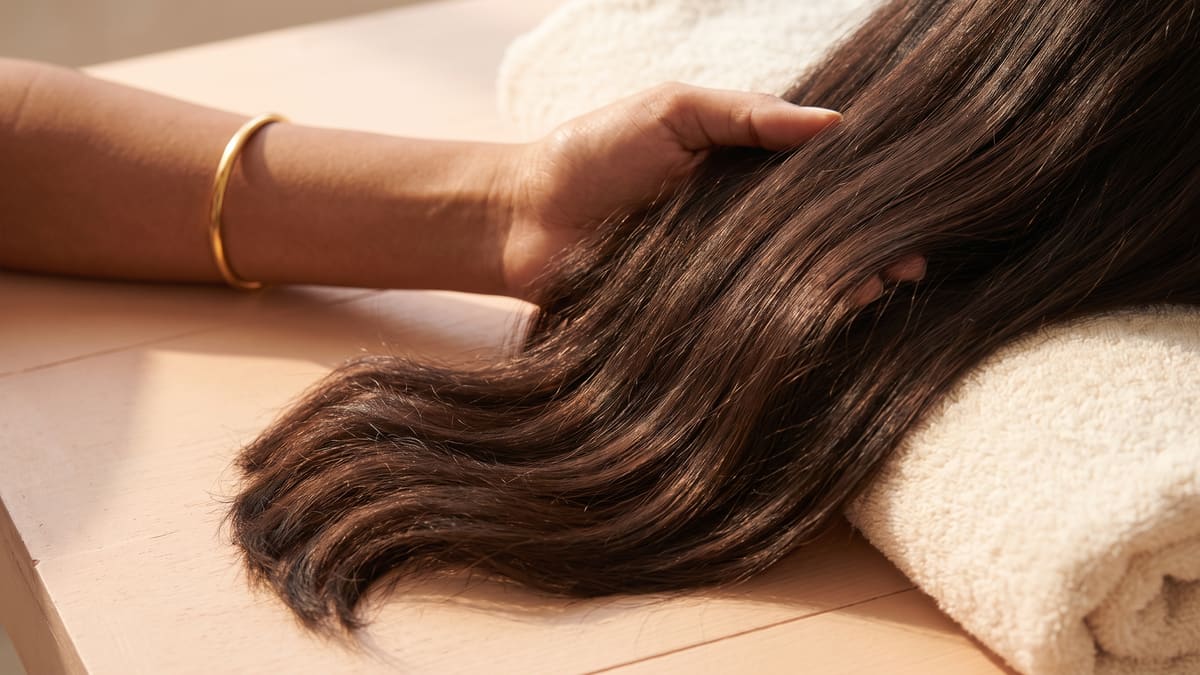
Finding more strands than usual on your pillow or in the shower drain can feel alarming, especially in your twenties and thirties. The reassuring truth is that most hair fall at this age is common, treatable, and often reversible once we understand what is driving it. This guide will help you tell everyday shedding apart from a problem that deserves a closer look.
Normal shedding versus real hair loss
Every scalp sheds hair. Losing roughly 50 to 100 strands a day is completely normal, part of the natural cycle where old hairs make way for new growth. A little extra during a wash or while combing is rarely a worry. Real hair loss looks different: a steady rise in shedding over weeks, a widening parting, a thinner ponytail, or patches where the scalp shows through. If your hairline or crown looks different from photos taken a year ago, it is worth paying attention.
Common causes in young Indians
Telogen effluvium
This is one of the most common reasons young adults suddenly shed a lot of hair. A stressor such as a high fever, dengue or another viral illness, a crash diet, childbirth, or thyroid changes can push many hairs into the resting phase at once. The shedding usually appears two to three months later and can look dramatic, but the follicles are alive and hair typically recovers once the cause settles.
Androgenetic alopecia
Also called male or female pattern hair loss, this is genetic and driven by follicle sensitivity to hormones. In men it often begins as a receding hairline or thinning crown, sometimes as early as the twenties. In women it usually shows as a gradually widening central parting with the front hairline preserved. It is progressive, which is exactly why early evaluation matters.
Nutritional deficiencies
Low iron (ferritin), vitamin D, vitamin B12, and protein are frequent contributors in Indian diets, particularly for vegetarians, those with heavy periods, or anyone eating restrictively. These are common and correctable, but they need confirming with the right blood tests rather than guesswork.
Stress and lifestyle
Long work hours, poor sleep, exam or job pressure, and irregular meals all feed into hair fall, often by triggering telogen effluvium. Sudden weight loss from crash dieting is an especially common culprit we see in this age group.
Hairstyling and our climate
Tight ponytails, buns, and braids worn daily can pull on the roots over time, while frequent heat styling, chemical straightening, and bleaching weaken the shaft and cause breakage that mimics hair loss. Pune's hot summers and humid monsoon add to scalp sweat and oil, and an itchy or flaky scalp from dandruff or seborrhoeic dermatitis can worsen shedding if left unmanaged.
Red flags that mean you should get evaluated
- Sudden or patchy hair loss, or smooth bald spots appearing quickly
- A visibly widening parting, receding hairline, or thinning crown
- Hair fall that lasts longer than three months
- Redness, scaling, itching, pain, or pus on the scalp
- Hair loss alongside other symptoms such as fatigue, weight change, or irregular periods
- Shiny, scarred patches where hair does not seem to regrow
Scarring hair loss in particular is a situation where time truly matters, because once a follicle is scarred the hair cannot be recovered. If anything here sounds familiar, please do not simply wait it out.
What a dermatology work-up looks like
A proper evaluation is more than a quick glance. At The Pune Skin Clinic we begin with a detailed history covering your family background, recent illnesses, diet, stress, medications, and styling habits. We then examine the scalp closely, often with a handheld dermatoscope to assess the follicles and pattern. Depending on what we find, we may recommend blood tests (iron stores, vitamin D, B12, thyroid, and hormones where relevant). The aim is an accurate diagnosis, because the right treatment depends entirely on the correct cause.
Evidence-based treatments, in general terms
Treatment is always tailored to the diagnosis, and honest expectations matter more than quick fixes. In broad terms, a dermatologist may consider:
- Correcting deficiencies: replacing iron, vitamin D, or B12, or improving protein intake when tests confirm a shortfall.
- Medical treatments: established topical and oral therapies for pattern hair loss that work best when started early and used consistently under supervision. We never advise self-medicating, as these need proper assessment and monitoring.
- PRP therapy: platelet rich plasma, prepared from a small sample of your own blood and injected into the scalp, can support certain types of thinning over a series of sessions, alongside treating the root cause.
- Scalp and lifestyle care: managing dandruff or inflammation, gentler styling, better sleep, and balanced nutrition.
No ethical treatment can promise a guaranteed or permanent cure, and results vary from person to person. What we can offer is a clear diagnosis and a realistic plan.
Why early action matters
Hair follicles respond far better while they are still active. Pattern hair loss is progressive, so starting the right treatment early helps preserve the hair you have rather than chasing what is already lost. Reversible causes like deficiencies and telogen effluvium also settle faster when addressed promptly. Acting early is almost always easier, and kinder to your hair, than waiting until the thinning is advanced.
Frequently asked questions
Is it normal to lose hair every day?
Yes. Around 50 to 100 hairs a day is a normal part of the hair cycle. It becomes a concern when shedding clearly increases over weeks, your parting widens, or patches appear, in which case an evaluation is wise.
Will my hair grow back if I catch it early?
It depends on the cause. Hair fall from deficiencies, stress, or telogen effluvium often recovers once the trigger is corrected. Pattern hair loss cannot be cured, but early, consistent treatment can slow it and help you keep more of your hair. Scarred follicles, sadly, cannot regrow, which is why timing matters.
Does PRP really work for hair fall?
PRP can be a helpful supportive treatment for certain types of thinning, usually as part of a wider plan rather than a standalone miracle. Its suitability, and the number of sessions, depend on your diagnosis, which is why a proper assessment always comes first.
If your hair fall has been on your mind, you do not have to figure it out alone or panic about it. A short consultation can tell you whether this is ordinary shedding or something worth treating, and give you a clear, honest plan built around your diagnosis. Whenever you feel ready, our team at The Pune Skin Clinic in Tathawade is here to help, and you can book easily on WhatsApp at wa.me/918421180583. Early answers bring real peace of mind.